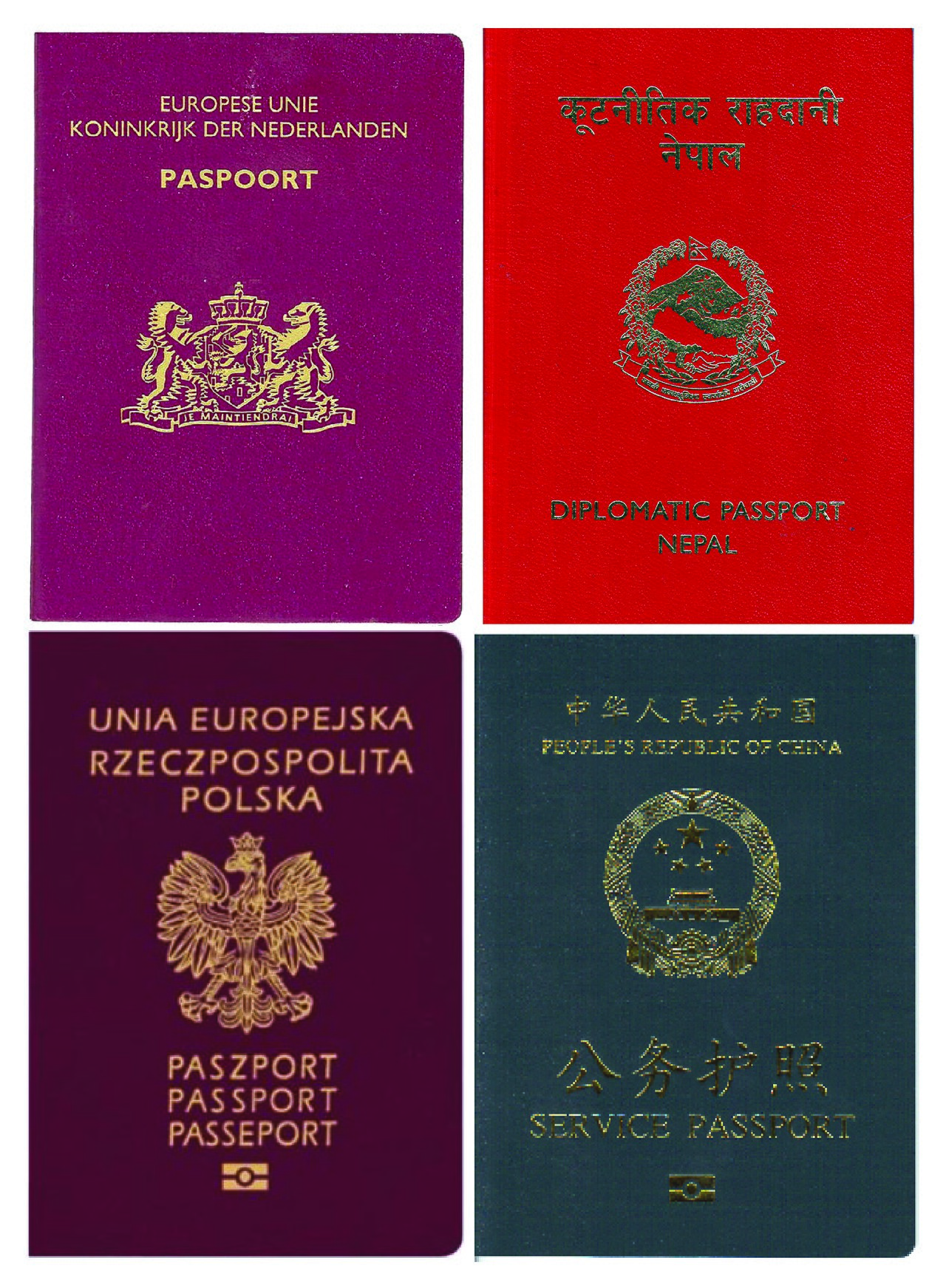
If you're planning a city trip in Europe, you've probably already seen the acronym ETIAS in travel news. This new authorisation, expected to take effect in the last quarter of 2026, will change how certain travellers enter the Schengen area. Here's what really matters, without the administrative jargon.
What is ETIAS?
ETIAS (European Travel Information and Authorisation System) is an electronic travel authorisation, not to be confused with a visa. It concerns nationals of visa-exempt countries wishing to enter the Schengen area (the 29 member states) as well as Cyprus, by air, land or sea. The principle is similar to the US ESTA or Canadian eTA: an online formality, to be requested before departure.
Who is affected?
If you are a citizen of an EU country, ETIAS does not concern you: you travel freely within the Schengen area with your ID card or passport, just as today. However, ETIAS applies to nationals of third countries currently exempt from visas for short stays — for example British, American, Canadian or Australian travellers visiting Paris, Rome or Barcelona.
When does it come into effect?
Launch is planned for the last quarter of 2026, about a year after the rollout of the Entry/Exit System (EES) at European borders. The exact date will be announced at least six months ahead. A transitional period will then follow for several months: applications will be possible, but not yet required to enter.
How much does it cost and how long does it last?
The announced fee is €20 for travellers aged 18 to 70 (free outside this age range). The authorisation is valid for three years, or until the passport expires if that comes first — and allows multiple trips within the Schengen area during that period, without a new application each time.
How to apply
- The application is made online, on the official European Union website, a few days before departure.
- You'll need a valid passport and a payment card to cover the €20 fee.
- The response usually arrives within minutes, sometimes up to 96 hours if additional checks are needed.
- It's best to apply for ETIAS at least a few weeks before travelling, just in case.
Once your authorisation is sorted, planning the rest of your trip doesn't change: skip-the-line tickets, itinerary, good addresses. For each city, our practical guides help you build a smooth city trip — for example what to do in Paris or what to do in Rome.

